
In short,
- At-home physical therapy provides personalized care in your familiar, comfortable environment.
- Eliminates transportation barriers and reduces infection exposure while improving treatment adherence.
- Coordinates seamlessly with skilled nursing services for comprehensive recovery support
Understanding Outpatient Physical Therapy at Home
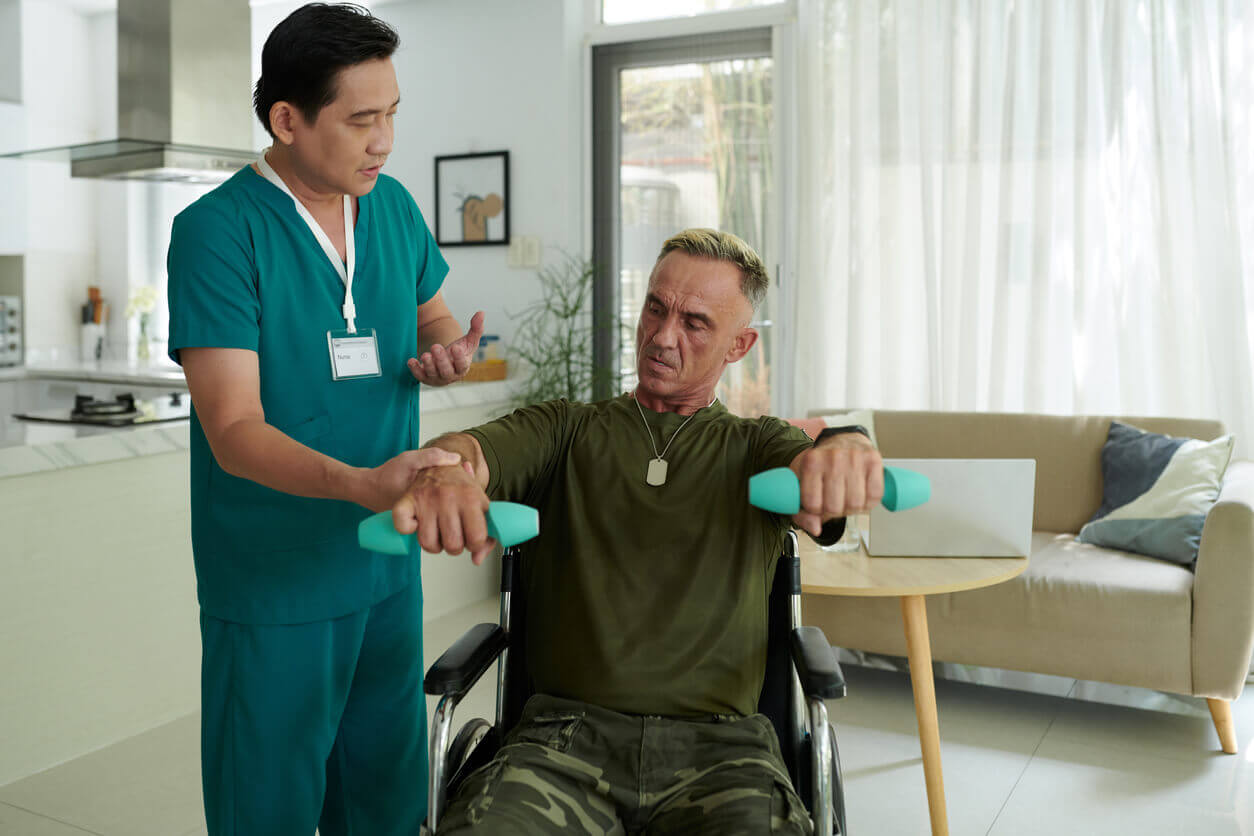
Outpatient physical therapy at home brings professional rehabilitation services directly to you, offering a convenient and effective alternative to clinic-based treatment. Rather than traveling to a facility, you receive personalized therapy in your own living space where you perform daily activities.
This approach is particularly valuable for individuals recovering from surgery, managing chronic conditions, or facing mobility challenges that make clinic visits difficult or impossible.
Who Benefits Most from Home-Based Therapy
Post-surgical patients recovering from joint replacements, cardiac procedures, or other operations often find traveling to appointments exhausting and uncomfortable. Receiving therapy at home allows you to focus energy on healing rather than transportation logistics.
Seniors with arthritis, balance issues, or other mobility limitations face significant barriers accessing clinic-based care. At-home therapy eliminates fall risks associated with travel and provides treatment in the environment where you actually need to function safely.
Individuals managing chronic conditions, including stroke recovery, Parkinson’s disease, or multiple sclerosis, require ongoing therapy to maintain function. Home-based services make consistent treatment more achievable, improving adherence and outcomes.
Those without reliable transportation or who live in rural areas often struggle to access regular therapy appointments. At-home services ensure geography and transportation don’t prevent you from receiving necessary care.
Key Benefits of At-Home Physical Therapy
The following are the top benefits of at-home therapy services.
Convenience and Accessibility
Eliminating travel saves considerable time and expense while reducing physical strain. You avoid the stress of navigating traffic, finding parking, or arranging rides. This convenience particularly benefits caregivers who might otherwise need to coordinate complex transportation arrangements.
Flexible scheduling accommodates your daily routines and energy patterns. Morning appointments work for early risers, while afternoon sessions suit those who need time to manage morning stiffness. This flexibility improves treatment adherence since appointments fit naturally into your life.
Staying home reduces exposure to illnesses circulating in public spaces and medical facilities. This protective benefit is especially important for individuals with compromised immune systems or during seasons when infections are prevalent.
Personalized, Focused Care
At-home therapy provides undivided one-on-one attention from your physical therapist throughout each session. Unlike busy clinic environments where therapists manage multiple patients simultaneously, home visits ensure complete focus on your specific needs and progress.
Receiving therapy in your actual living environment offers unique advantages. Your therapist observes how you navigate your home, identifying safety hazards and functional challenges you face daily. Recommendations for modifications become specific and practical since the therapist sees your exact layout, furniture, and obstacles.
Treatment progresses in the space where you need to function, making exercises and techniques immediately applicable. Practicing stair climbing on your own stairs, kitchen mobility in your actual kitchen, and bathroom safety in your own bathroom creates relevant, transferable skills.
Environmental Assessment and Safety
Your therapist evaluates your home for fall risks and functional barriers during initial and ongoing visits. They identify hazards like loose rugs, poor lighting, or cluttered pathways that increase injury risk. Specific recommendations address your unique home environment rather than generic safety advice.
Therapists can suggest and demonstrate the use of assistive equipment in your actual space. They determine optimal placement for grab bars, show you how to arrange furniture for safer navigation, and ensure walking aids fit your home’s dimensions and layout.
Integration With Skilled Nursing Care
When physical therapy needs coincide with medical care requirements, skilled nursing care at home coordinates seamlessly with rehabilitation services. This integrated approach ensures all aspects of your recovery receive attention.
Nurses manage medications that support your therapy goals, monitor wound healing after surgery, check vital signs indicating how your body responds to increased activity, and identify medical concerns requiring physician attention. This comprehensive oversight prevents complications that could derail rehabilitation progress.
Coordinated care between nursing and therapy services ensures everyone working with you understands your complete health picture and treatment goals. This collaboration produces better outcomes than fragmented services provided independently.
What to Expect During Home Therapy Sessions
Your first visit includes a comprehensive assessment of strength, flexibility, balance, endurance, and functional abilities. The therapist evaluates how you perform daily activities like standing from chairs, walking, managing stairs, and self-care tasks. This assessment identifies specific limitations and establishes baseline measurements for tracking progress.
Together, you and your therapist develop personalized treatment goals reflecting what matters most to you. Whether returning to gardening, playing with grandchildren, or simply managing household tasks independently, your goals guide the treatment plan.
Common Therapy Interventions
- Therapeutic exercises strengthen weak muscles, improve flexibility, enhance balance and coordination, and build endurance. Your therapist teaches exercises you can perform safely and effectively, progressing difficulty as you improve.
- Manual therapy techniques, including massage, joint mobilization, and stretching reduce pain, improve mobility, and enhance tissue healing.
- Gait training helps you walk more safely and efficiently, reducing fall risk and improving independence.
- Pain management strategies may include heat or cold application, positioning techniques, or electrical stimulation when appropriate.
Your therapist teaches methods you can use independently to manage discomfort between sessions.
Common Conditions Treated at Home
- Stroke rehabilitation focuses on regaining movement, relearning functional skills, and maximizing independence after stroke.
- Joint replacement recovery restores strength and mobility following hip or knee surgery.
- Balance training and fall prevention help seniors maintain safe mobility and confidence.
- Chronic pain management addresses arthritis, back pain, and other persistent conditions affecting function.
- Neurological condition management supports individuals with Parkinson’s disease, multiple sclerosis, or neuropathy.
Maximizing Your Therapy Results
Creating a safe, supportive environment enhances therapy effectiveness. Ensure adequate lighting throughout your home, particularly on stairs and in bathrooms. Remove tripping hazards like loose rugs, electrical cords, and clutter from walkways.
Obtain recommended equipment, including assistive devices, exercise equipment, or home modifications, your therapist suggests. These tools support your progress and safety.
Adherence to your treatment plan is crucial for achieving goals. Complete prescribed exercises between therapy visits as instructed. Follow your therapist’s guidance carefully regarding proper technique and progression. Communicate openly about any difficulties, pain, or concerns so your therapist can adjust your program appropriately.
Support your rehabilitation through healthy lifestyle choices, including nutritious eating, adequate hydration, and sufficient rest. These factors significantly influence healing and progress.
When to Consider Home Physical Therapy
If you’re experiencing mobility limitations, recovering from surgery or injury, managing chronic conditions affecting function, or finding clinic appointments difficult to attend, outpatient physical therapy at home may be ideal for you. Early intervention prevents decline and promotes faster, more complete recovery.
Outpatient Physical Therapy at Home in Pennsylvania, Ohio, and New Jersey
At AdvantageCare Rehabilitation, our compassionate physical therapists provide personalized outpatient physical therapy at home throughout Pennsylvania, Ohio, and New Jersey. We understand the challenges you face and are committed to helping you regain independence and improve the quality of life in the comfort of your own home.
For patients in Pennsylvania requiring both rehabilitation and medical care, Advantage Home Health Services offers skilled nursing care at home that coordinates seamlessly with physical therapy, providing comprehensive support for your recovery.
Call AdvantageCare Rehabilitation today at (888) 384-0395 or request more information by using our form to learn how our home-based therapy services can support your rehabilitation goals.